The MCP Server That Wiped Production and the AI Tooling Risk
A routine cleanup request deleted years of data. The issue was over-privileged tools and no guardrails.
Article focus
Treatment: photo
Prompt family: BA-2 (archive-staged)
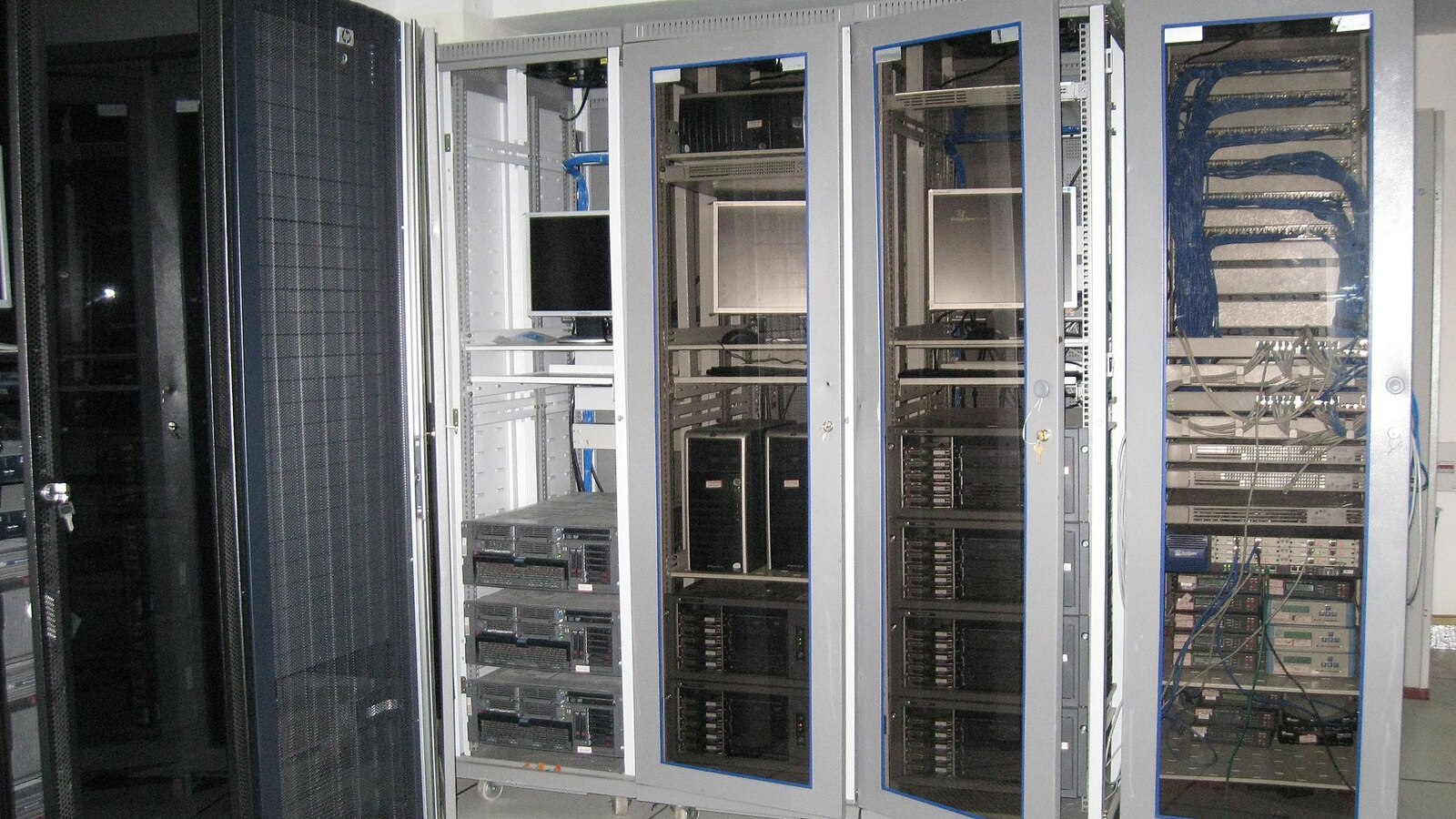
Image description: Server room aisle filled with racks and blinking equipment
Image source: Richard Masoner via Wikimedia Commons
License: CC BY-SA 3.0
Executive summary
An MCP-connected database tool can turn ambiguous natural language into destructive authority. Even without a published postmortem for one exact company, the failure pattern is clear: tool-enabled AI needs runtime policy, environment separation, and visibility before cleanup becomes destruction.
MCP Cleanup Requests Become Database Authority
Use this article as a representative failure pattern, not a public one-company postmortem. Once an AI agent can issue database actions through MCP or similar tooling, an ambiguous cleanup request can become a destructive production event unless something independent checks environment, privilege, and intent.
Research and practitioner guidance around MCP already show the underlying mechanics: tool metadata and results are untrusted, tools often hold broad authority, and organizations routinely give agents more reach than their review model can safely absorb.
Microsoft's Prompt-Injection Guidance Matches the Supabase Leak Pattern
The specific company story is illustrative, but the control failure is real and source-backed. Microsoft describes tool poisoning as malicious instructions hidden in MCP tool metadata, and General Analysis documents a Supabase MCP case where a support-ticket prompt led an assistant to leak private SQL tables through tool access.
Representative Failure Chain
The problem is not one magical bad prompt. It is a runtime that lets a model translate ambiguous language into database authority without environment-aware policy in the middle.
The Enterprise Owns the Boundary Between Prompt and Production
This is not just a bad database cleanup story. It is what happens when an organization gives an AI-connected tool destructive authority without enough environment separation, review, or runtime visibility. The vendor does not own that boundary. The enterprise does.
Tool Metadata, Broad Permissions, and Weak Runtime Checks Create the Risk
The disaster pattern is rooted in tool design, not user intent. MCP and similar agent tool layers are valuable because they give models access to specialized systems. That same convenience is what makes them dangerous when one tool can read schema, issue queries, and change live data inside the same conversational loop.
✅ Schema and record access
✅ Automated maintenance suggestions
❌ Reliable intent separation
❌ Safe production boundaries by default
❌ Independent approval on destructive actions
Teams trust these tools because they are often useful for low-risk tasks. That trust is exactly why the transition into destructive authority can be missed until after damage occurs.
How the Failure Chain Forms in MCP-Connected Database Workflows
With that tooling context, the failure mode becomes predictable. Several factors converged to create the conditions for this catastrophic failure:
1. Ambiguous Cleanup Language
The developer's request to "clean up old test data" seemed clear to a human familiar with the system context, but was dangerously ambiguous for an AI system. The AI had no way to understand the implicit boundaries and assumptions embedded in casual human communication.
2. Shared Dev and Prod Reachability
The production database was accessible through the same MCP server used for development work. There were no technical controls preventing the AI from operating on production data.
3. Overprivileged Tool Access
The MCP server had full administrative access to the database, including DROP TABLE permissions. This level of access was necessary for some legitimate operations but created catastrophic potential for misuse.
4. No Review Point for Destructive Actions
The MCP server was designed for autonomous operation to maximize efficiency. There were no confirmation prompts, preview modes, or human approval steps for potentially destructive operations.
Why Operator Intent Wasn't Enough
The developer who made the request was experienced and well-intentioned. They had used similar AI-assisted cleanup operations dozens of times before without incident. The failure wasn't due to user error—it was a systemic failure in AI tool design and deployment practices.
Why Enterprise Teams Miss This Until the Database Is Already Touched
Organizations fail when they attach production access to a conversational tool and assume the model will infer the same boundaries a senior operator would. They also fail when test and production are reachable through the same tool surface, or when destructive verbs like "clean up" are not routed through preview and approval controls.
Common Control Breaks
- Ambiguous requests: human shorthand gets translated into overbroad action.
- Environment collapse: the same tool can see test and production data.
- Overprivilege: the agent can issue destructive commands it should never own directly.
- No review point: no one sees the action plan before execution.
What 3LS Adds to MCP Database Workflows
In this failure mode, 3LS sits between the agent, the MCP tool, and the destructive action. It can enforce environment-aware policy, block high-risk database operations, and require human review before ambiguous natural-language cleanup requests become commands against production systems.
Next Operational Step: Gate Destructive Queries Before They Run
Separate production and test environments at the tool layer, remove destructive permissions where they are not essential, and require preview or approval steps for any AI-driven database action that can alter or delete live records.
Continue reading